
Ages 7–12
Exploration
Turn interest into ability.
Ages 7–12
This stage
This is when interests take shape. Students explore art, robotics and coding seriously for the first time — building skills, entering first competitions, and discovering what they love. The evidence of a future portfolio starts here.
Milestones of this stage
- First robot built and first competitions entered
- Art foundations: drawing, colour, composition
- Coding and digital-making literacy
- A growing folder of early work
For Singapore families
The DSA runway, two tracks.
Direct School Admission (DSA-Sec) lets Primary 6 students apply to secondary schools on demonstrated talent — applications typically open in May, selection runs June to August, and offers are confirmed with PSLE results. Panels read years of evidence, not months. That makes seven to twelve the runway — and we prepare both tracks.
Art DSA
- A development portfolio built from Primary 3–4 — sketchbooks and growth over time, not five polished pieces
- Versatility across media, with observational drawing at the core
- Competition and exhibition records, dated and kept
- Drawing-test and interview practice — talking about their own work, in their own words
Tech DSA
- Computational thinking first: Scratch in the younger years, Python by Primary 5–6
- Personal projects the child can explain line by line — panels probe understanding, not memorisation
- Competition evidence: VEX records and engineering notebooks carry particular weight
- Technical-test and interview practice through Futurum Academy and AK Robotics
No preparation makes an offer certain — but everything a DSA runway builds keeps its value whichever door opens: the folder, the finishing habit, and a child who can explain their own work. Check MOE's DSA-Sec portal for this year's exact dates.
Life at this stage
The practical picture.
Rhythm, calendar, your role, what comes next — one panel, no wall of text.
- Weekly art or making sessions with real materials and real techniques
- First structured coding and robotics blocks
- Holiday camps to test whether an interest runs deeper
- First competitions — when the child is ready, not before


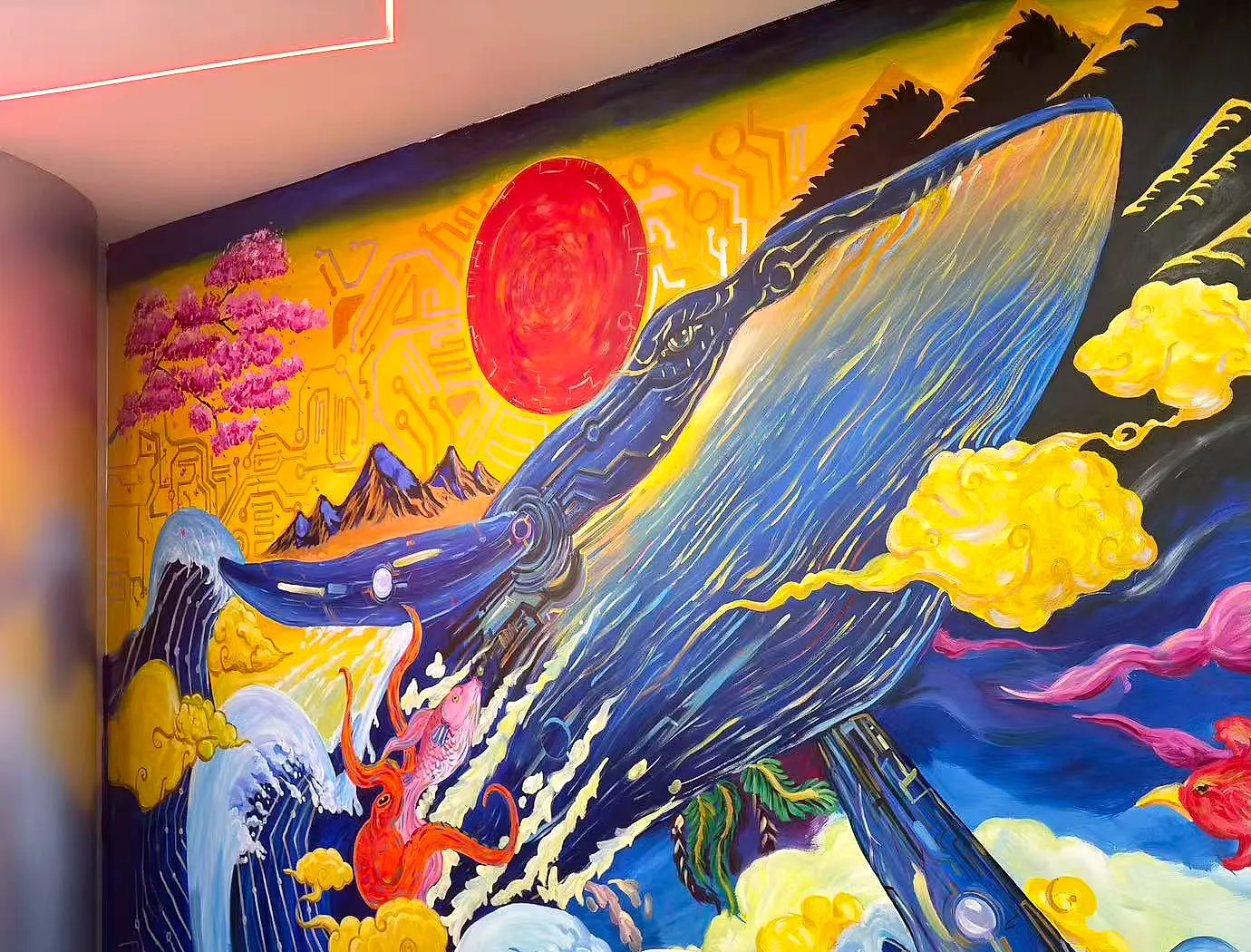
From our studios, showcases and events across the TAFA family.
Where to start
Programs at this stage.
GaiaX programs available at this stage.
Delivered with Tree Art · Futurum Academy · AK Robotics — part of the TAFA education family. How the family works →
Reading for this age
Three guides worth your time.
Deciding as a family? Print the one-page Parent Guide — the whole pathway, programs and contacts on one sheet.


Questions at this age
What parents ask about this stage.
Does GaiaX prepare children for DSA?
Yes — both tracks. The art track builds the development portfolio and interview confidence through Tree Art and our planning; the tech track builds projects, competition records and technical-test readiness through Futurum Academy and AK Robotics. The runway starts at Primary 3–4, and we'll tell you honestly what fits the time left.
My child hops between interests every month. Is that a problem?
At this age it's the job description. Exploration exists to let interests collide before one sticks. What we watch isn't loyalty to one activity — it's which one your child returns to without being asked. That's the signal worth following.
Do competitions matter at this age, or is it too early?
First competitions matter as experiences, not as records. Losing a robotics match at ten teaches recovery cheaply; the record that panels eventually read starts mattering years later. Enter early for the learning, not the trophy shelf.
Art or robotics — should we pick one?
Not yet. At this age the overlap is the point: children who build robots draw better machines, and children who draw see better designs. Specialisation comes later, with evidence.
When is a child ready for a first competition?
When they can lose one and want to try again. We look for stamina and curiosity, not just skill — and we never push a child in before that.
How many hours a week is right?
One or two focused sessions beat five reluctant ones. A rhythm the family can sustain for years matters more than intensity in any single term.
Not sure where to start?
Tell us about your child. We'll map out a written Pathway Map together — no obligation.
New here? Every age group can book a free trial class on WhatsApp first.